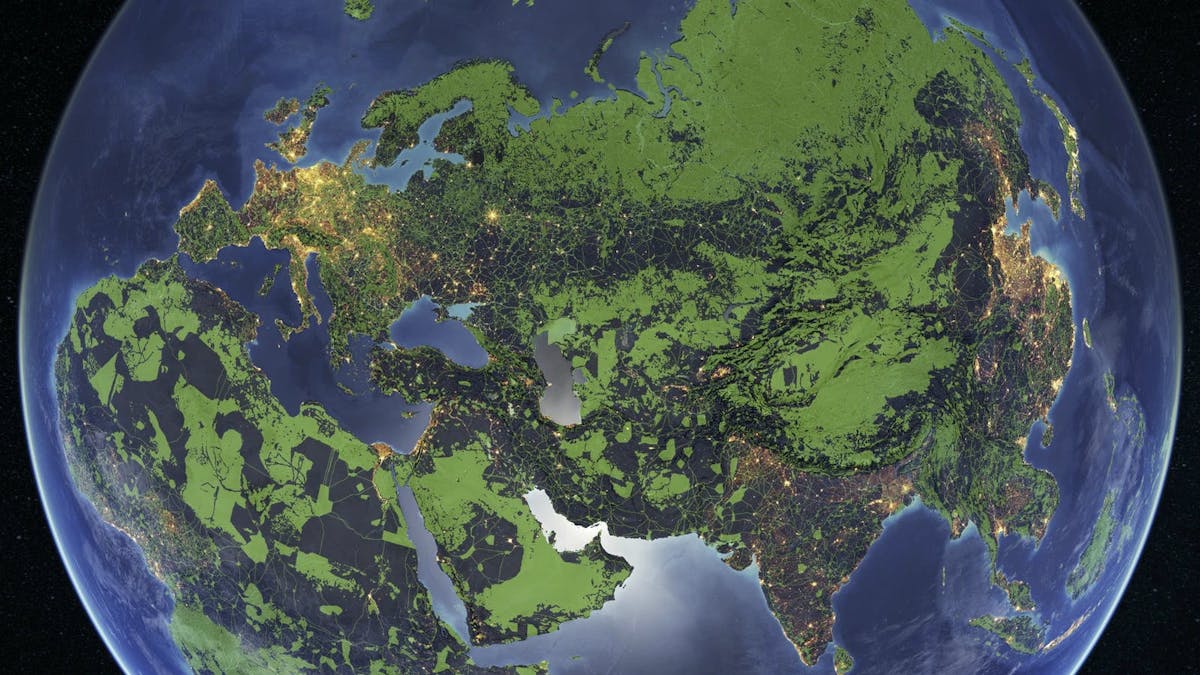
GSN Targets Map
The Global Safety Net provides an inventory of the world's remaining natural lands of importance for the preservation of biodiversity and carbon sinks, totaling 50.4% of the world's terrestrial surface. At least 37% of this land is under Indigenous governance, which makes it clear that strengthening land tenure rights and increasing funding for Indigenous communities are essential to protect and conserve biodiversity globally.
The UN Convention on Biological Diversity is developing the post-2020 framework for conservation, and many nations are calling for a 30% area-based target to be implemented by 2030. It's clear, however, that 30x30 is not a one-size-fits-all target. Approximately one-third of the world's countries do not have natural sufficient land to increase their protected area network (orange and red countries below). Higher targets in these countries could create a perverse incentive to drive local communities from their lands.
Another third of the world's countries have a larger share of natural habitats and should have higher targets commensurate with the amount of natural land available that is not in use for human settlements or agricultural cultivation (green countries below). The map below presents the top line area-based target for each country according to the Global Safety Net inventory. Please utilize the data viewer for a more detailed breakdown of land classifications and protection levels by country and bioregion.
While the United States is not a formal party to the UN Convention on Biological Diversity, the Biden administration made a commitment to protect 30% of the land area of the U.S. for conservation of biodiversity and natural carbon sinks. The map below breaks out state-by-state targets based on the Global Safety Net inventory, which totals 49.9% of the terrestrial area of the U.S. Again it should be noted that many States are highly converted and have little to no additional land to place into conservation. While other States, for example Alaska and Nevada, have a considerable share of natural habitats that should be conserved.